
A little understanding.
An everyday practice.
Recognise everyday ingredients, understand Chinese medicine, and find a practical place to begin.
New to Chinese medicine? Start hereChinese yam
山藥/淮山 · Shan yao
One familiar ingredient, different forms. Learn the names, preparation and storage before it goes into your pot.
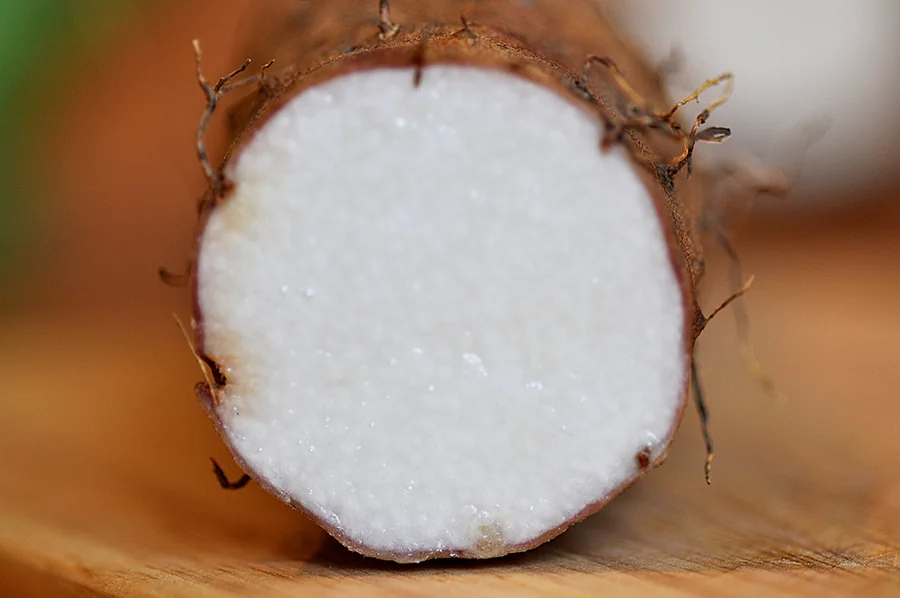
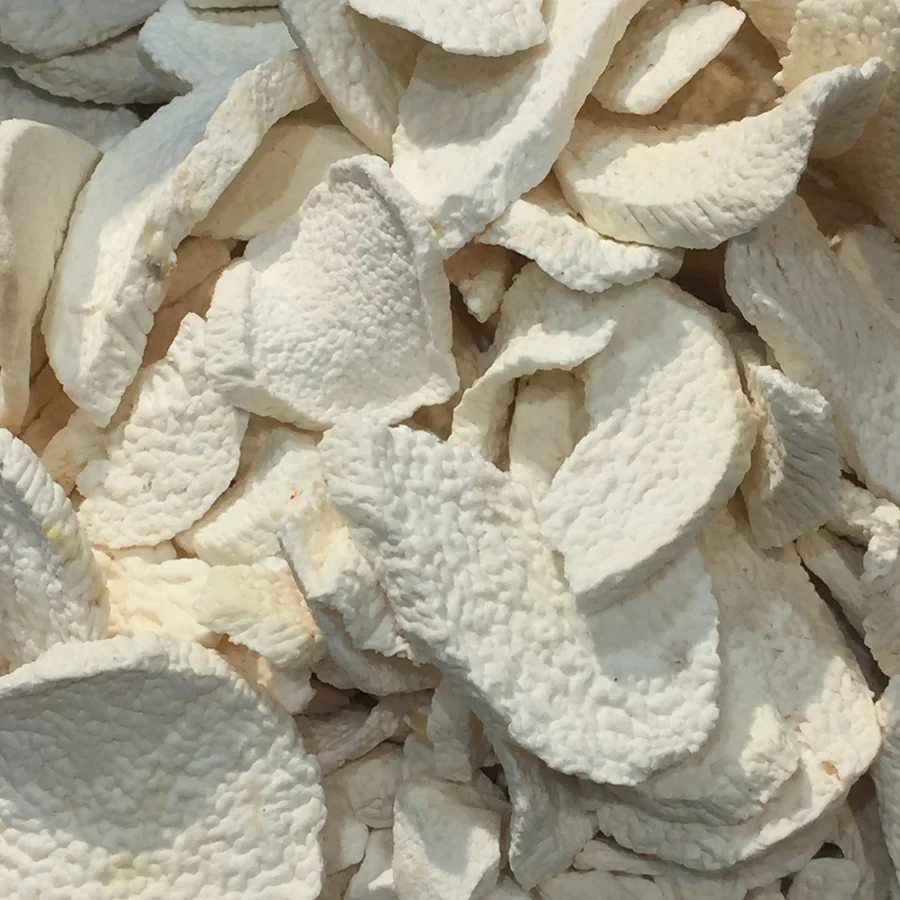
Photo sources & licences
Chinesische Yamswurzel 1.jpg — Amada44 · CC BY 3.0
Resized, converted to WebP, metadata removed; cropped to fit the layout. No generative editing.
Dried Chinese yam slices.jpg — Fumikas Sagisavas · CC0 1.0
Resized, converted to WebP, metadata removed; cropped to fit the layout. No generative editing.
Good to know. Useful in the kitchen.
From the name on the packet to the next step in your kitchen.
Chinese yam
A practical starting point for understanding fresh yam, dried soup ingredients and traditional language.
Ginger
A kitchen seasoning also discussed in traditional food therapy.
Mung beans
Identify whole green mung beans, cook them until soft, and keep traditional “cold” nature separate from food safety.
Snow fungus
Dried fungus preparation and storage need food-safety verification.
Before the advice, understand the ideas.
What is qi? What do warming and cooling mean? Start with clear explanations that keep tradition and evidence in perspective.
Explore Chinese medicineA place in your everyday.
Practical guides for your next small step.
Getting Started With Baduanjin
Choose a named sequence and an accountable teaching resource before learning movements.
Read the guideThe Eight Brocades: Names and Learning Resources
A name-by-name companion to the HKU health-qigong learning sequence.
Read the guideHow to Read Labels in a Chinese Grocery Store
Use names, form and intended use together rather than relying on a translation alone.
Read the guideCuriosity, with sources in view.
Traditional explanations, food facts, and research each have their place. We link our sources and make uncertainty visible.